Whiteout WSB

Whiteout Survival core guide

Rally guide: choose better rallies and avoid wasting alliance power

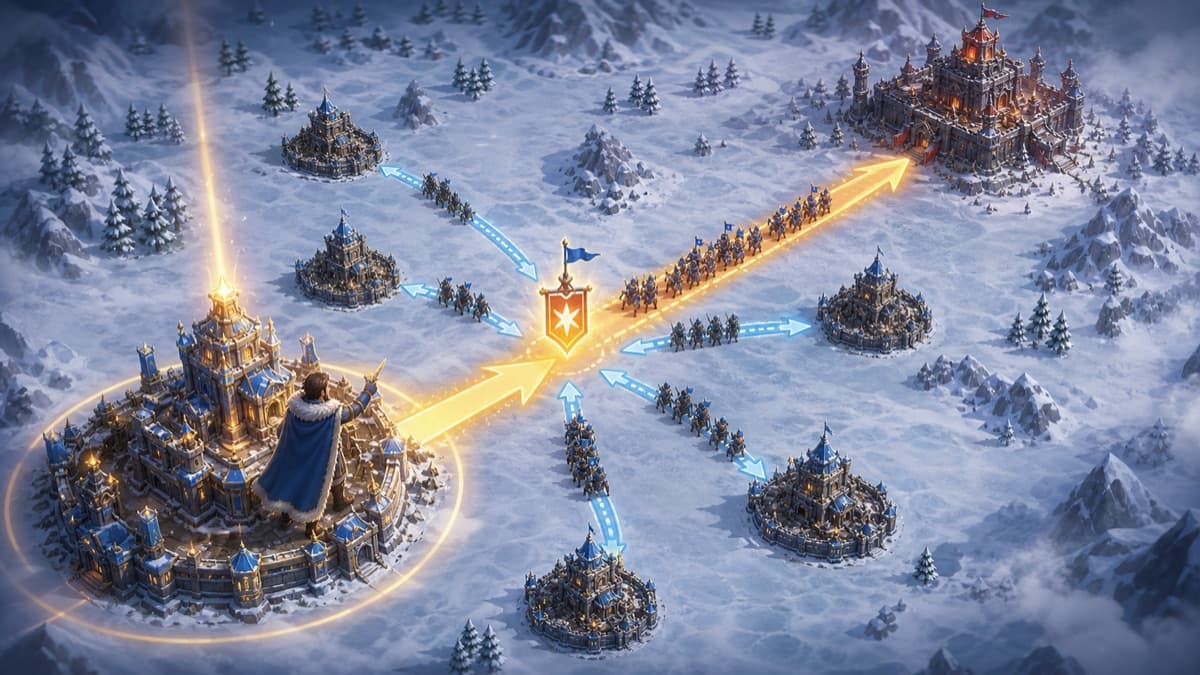
Rallies combine alliance members' marches into one attack. A strong leader, the right joining heroes, short march time, and event-specific rule checks can change the result even when the troop count looks similar.

Rally strategy illustration with alliance marches joining a leader rally

Rally decision map

Before sending troops, compare the leader, target, timer, and event rule. A better rally is often worth more than joining faster.

Power

Leader

Fit

Joiner

Review

After

Purpose

Combine alliance troops for one attack

Leader

Creates capacity and main combat bonuses

Joiner

Joins quickly with the needed troops and heroes

Before joining

Check target, timer, march, and alliance plan

Risk

Wounds and losses depend on event and opponent

Check

Event screen, alliance orders, battle reports

Rally basics

The rally leader picks the target and wait time, then alliance members send troops into the rally. When the timer ends, the combined march leaves from the leader's city. Rallies are for stronger opponents and event targets, but efficiency depends heavily on who leads and which rallies get filled.

Leader and joiner roles

Not everyone should do the same job. Results are usually better when strong players lead and everyone else joins correctly.

Rally leader
Sets the rally's ceiling through capacity, research, heroes, gear, pets, and other account bonuses.
  • Higher rally capacity lets more alliance members contribute to the same attack.
  • If your combat research, gear, heroes, or pets are weak, joining can be more valuable than leading.
  • Relocate near the target and use a wait time your alliance can fill reliably.
  • Pick priority targets that match chat orders so alliance marches are not split.
Rally joiner
Fills rallies with the required troops and heroes. Most players contribute through this role.
  • Follow any alliance requirements for troop type, troop count, or hero setup.
  • Some events care heavily about the first hero slot. Use a dedicated preset when an event has that condition, such as Bear Hunt.
  • Keep march queues and presets ready so you can join short-timer rallies quickly.
  • If you join the wrong rally, check whether you can recall before departure. After departure, many situations cannot be undone.

Rally flow

Use the same short loop for most rally decisions: confirm the target, trust the right leader, join with the right setup, then update the next preset from reports.

1. Confirm target

Check whether the target matches the event, alliance call, and current risk rules.

2. Pick leader

Fill rallies led by players with the best capacity and combat bonuses before spreading to weaker ones.

3. Send preset

Use the troop and hero setup requested for that event instead of rebuilding while the timer runs.

4. Read report

Use wounds, damage, and hero results to improve the next rally plan.

How to choose a rally

Trying to join everything is less useful than filling the rallies your alliance is most likely to win from.

Prioritize strong leaders

For the same troops, a leader with higher capacity and stronger combat bonuses usually gives steadier results. Fill main rallies instead of spreading members across weak ones.

Save event presets

Bear Hunt, PvP, and fort support can need different heroes or troop mixes. Prepare march presets before the event so you do not spend the event rebuilding formations.

Read battle reports

Look beyond win or loss. Check wounds, troop mix, heroes, and damage dealt. When a strong setup appears, use it to update the next rally plan.

Common mistakes

Rally problems often come from preparation and checking, not only from low power.

Starting a weak rally when stronger alliance leaders are available, splitting joiners away from the main rallies.
Joining with heroes or skills that do not match the event and lowering the rally's useful bonuses.
Missing short-timer rallies because march queues or presets were not ready.
Joining from too far away and slowing the rally cycle.
Treating PvE, PvP, wounded-safe, and loss-risk events as if their rules were the same.
Skipping battle report review and repeating the same hero, troop, or target mistakes next time.